Könyvajánlók
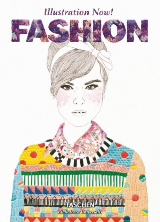
Illustration now! Fashion
Julius Wiedemann
Every dress begins with a drawing, every skirt with a sketch.
Illustration is an integral element of fashion design; a starting point
for creation, a means of expressing the moods, emotions, and experiences
carried by garments—yet is too often overlooked. Through stark tones
and serendipitous smudges, fashion illustrators breathe life into trends
and seasons.
In this new, compact edition, you’ll find works from 90 contemporary
artists located all around the world, including Ruben Toledo, Aurore de
La Morinerie, Bil Donovan, Tanya Ling, and Jean-Philippe Delhomme.
Following an introduction by illustration expert Steven Heller, art and
fashion historian Adelheid Rasche provides an in-depth exploration of
clothing illustration, beginning in the 17th century and stretching
forward to today...
tovább >>>
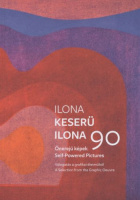
Keserü Ilona 90 : önerejű képek : válogatás a grafikai életműből
Keserü Ilona, Kossuth- és Munkácsy-díjas festőművész és grafikus, a kortárs magyar művészet megkerülhetetlen alakja, 2023. november 29-én ünnepli 90. születésnapját. Ebből az alkalomból a Magyar Nemzeti Galéria a grafikai életműből – papíralapú műveiből, rajzaiból és sokszorosított grafikáiból – álló tárlattal tiszteleg a művész előtt. A válogatás több mint hét évtized papírmunkáit, a Martyn Ferencnél töltött tanulóévektől kezdve a vibráló szitanyomatokon át a lágy vonalú tusrajzokig ívelő pályát mutatja be. A kiállításon a művész budapesti műterméből válogatott 64 mű látható, köztük olyan alkotások is, amelyek még sosem szerepeltek korábban a nagyközönség előtt...
tovább >>>
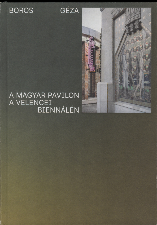
A Magyar Pavilon a Velencei Biennálén
Boros Géza
Magyarország a kezdetektől, 1895 óta vesz részt a Velencei Biennálén. Az önálló magyar nemzeti pavilon – az olasz és a belga pavilon után – a harmadikként épült meg a Giardiniben. Az 1909-ben átadott szecessziós épületet Maróti Géza (1875–1941) építész, szobrász- és iparművész tervezte, aki a megbízást az 1906-os milánói világkiállítás magyar pavilonja sikerének köszönhetően nyerte el.
A századelő Gesamtkunstwerk-törekvéseinek megfelelően a velencei kétszintes épület gazdag képző- és iparművészeti díszítést kapott. Díszítőrészleteit a Gödöllői Művésztelep művészei készítették: a mozaikokat Körösfői-Kriesch Aladár (1863–1920), az üvegablakokat pedig Nagy Sándor (1869–1950) tervezte. A bejárati fogadóteret Telcs Ede szobrászművész domborművei díszítették. A tető mázas cserepei, valamint a bejárat eozinmázas kerámiái a Zsolnay-gyárban készültek, az üvegablakokat és a mozaikokat Róth Miksa műhelye kivitelezte. A ház külső díszítése, ikonográfiai programja a hun-magyar közös múltat felidéző történeti szimbolika jegyében születtek...
tovább >>>
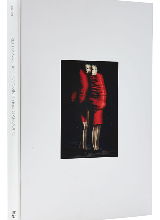
Rei Kawakubo: Comme des garçons : art of the in-between
Rei Kawakubo
The Costume Institute's spring 2017 exhibition examines the work of fashion designer Rei Kawakubo, known for her avant-garde designs and ability to challenge conventional notions of beauty, good taste, and fashionability. The thematic show features approximately 140 examples of Kawakubo's womenswear for Comme des Garçons dating from the early 1980s to her most recent collection, many with heads and wigs created and styled by Julien d'Ys...
tovább >>>
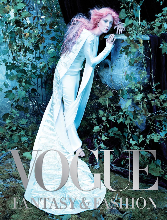
Vogue : fantasy & fashion
[ed. by Laird Borrelli-Persson]
With more than 300 color photographs, Vogue: Fantasy & Fashionis a dream book of empowering and fantastical fashion narratives—from Brothers Grimm to futuristic scenarios—told in the culture magazine’s inimitable style...
tovább >>>
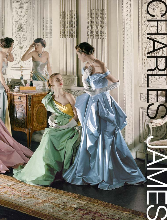
Charles James : beyond fashion
Harold Koda and Jan Glier Reeder
The inaugural exhibition of the newly renovated Costume Institute examines the career of legendary twentieth-century Anglo-American couturier Charles James (1906–1978), and is presented in two locations—exhibition galleries on the Museum's first floor and The Costume Institute's Anna Wintour Costume Center on the ground floor. It explores James' design process, specifically his use of sculptural, scientific, and mathematical approaches to construct revolutionary ball gowns and innovative tailoring that continue to influence designers today. The retrospective features approximately sixty-five of the most notable designs James produced over the course of his career, from the 1920s until his death in 1978....
tovább >>>
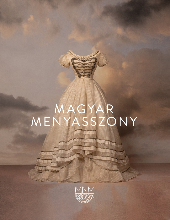
Magyar menyasszony : kiállítási katalógus : [2023. december 14. - 2024. augusztus 25., Magyar Nemzeti Múzeum, Budapest]
Az emberi élet sorsfordító eseményei közül kiemelkedik a két felnőtt
közös útjának kezdetét jelentő házasságkötés. Az esküvő, a lakodalom
eseménysora ezt a fontos átmenetet kísérte és kíséri mind a mai napig,
miközben a házasulókkal szembeni társadalmi elvárások az elmúlt
évszázadokban jelentős mértékben megváltoztak.
A Magyar Menyasszony című kiállítás – melynek hű lenyomata a
számos gyönyörű fényképpel kísért katalógus – az elmúlt ötszáz évre
visszatekintve mutat be tárgyakat és történeteket, amelyek a
házasságkötéshez és az odáig vezető úthoz kapcsolódnak. A kiállításnak
fontos előzménye és kísérője egy több éve működő közösségi projekt. ..
tovább >>>
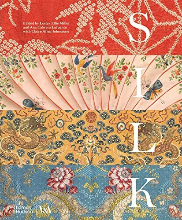
Silk : fibre, fabric and fashion
ed. by Lesley Ellis Miller and Ana Cabrera Lafuente with Claire Allen-Johnstone
Silk has long captured the imagination of peoples round the globe, inspiring creativity in the making of luxurious textiles. This major new survey draws on the exceptional collections of London’s Victoria and Albert Museum and explores tradition and innovation across the history and geography of silk production, celebrating the ingenuity and skill of designers and makers...
tovább >>>
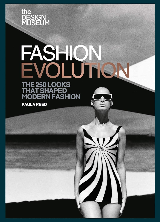
Fashion evolution : the 250 looks that shaped modern fashion
Paula Reed
From the Chanel suit to the Wonderbra, via Jackie Kennedy, Ziggy Stardust and Alexander McQueen, respected fashion journalist and editor Paula Reed explores each of the styles and visionaries that have defined the way we dress.
Spanning fifty years - from the 1950s to the 1990s - and accompanied by striking photographs throughout, Fashion Evolution is the definitive story of the style moments that changed the world.
tovább >>>
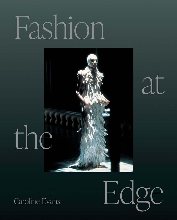
Fashion at the Edge : spectacle, modernity and deathliness
Caroline Evans
Experimental fashion has a dark side, a preoccupation with representations of death, trauma, alienation and decay. This seminal publication offers an unexpected discussion of cutting-edge fashion in the 1990s, exploring what its disturbing themes tell us about consumer culture and contemporary anxieties. Caroline Evans analyses the work of innovative designers, the images of fashion photographers and the spectacular fashion shows that developed in the final decade of the twentieth century to arrive at a new understanding of fashion’s dark side and what it signifies...
tovább >>>
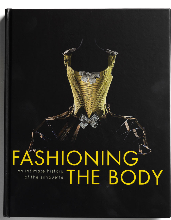
Fashioning the body : an intimate history of the silhouette
ed. by Denis Bruna
Having garnered high acclaim at the Musée des Arts décoratifs in Paris in 2013, the exhibition Fashioning the Body: An Intimate History of the Silhouette was on view at Bard Graduate Center from April to July 2015 and presented the many devices and materials that women and men have used to shape their silhouettes from the seventeenth century to today, including panniers, corsets, crinolines, bustles, stomach belts, girdles, and push-up brassieres, alongside examples of period garments that were molded by these distinctive understructures. The exhibition also looked at how lacing, hinges, straps, springs, and stretch fabrics have been used to alter natural body forms...
tovább >>>