Könyvajánló
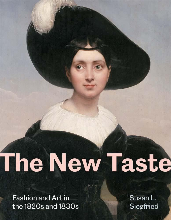
The New Taste : fashion and art in the 1820s and 1830s
Susan L. Siegfried
Across the visual arts in France and Britain in the 1820s and 1830s a dynamic culture of fashion was taking shape. Wide-ranging in taste and driven by a quest for the new, fashion flourished in the period’s expansive print production, while the fine arts negotiated demands for novelty more paradoxically, partly by reviving styles from the past. Susan L. Siegfried argues that the intersections between fashion, costume, and art in these pivotal decades embody the fractured conditions of early nineteenth-century modernity...
The New Taste examines depictions of clothing and hairstyles in
fashion plates, paintings, prints, and sculpture by artists including
Jean-Auguste-Dominique Ingres, Horace Vernet, Achille Devéria, and
Bertel Thorvaldsen, alongside texts by writers such as Honoré de Balzac
and Thomas Carlyle. Siegfried reveals how both the commercial and the
fine arts responded to social and economic transformations, including
colonialism, changes in print technology and textile manufacture, as
well as perceptions of the male dandy and the active role of women as
consumers. Highlighting a largely overlooked period in art and fashion,
this richly illustrated volume offers insights into the social,
artistic, and gendered questions that troubled the shift from classicism
to realism.